PLC Programming Course with the SVILUPPATORE MIGLIORE method
The era of traditional PLC languages is over. Take industrial automation to the next level with .NET, C# and modern HMI interfaces
1-on-1 Mentor On YOUR code Measurable results
The PLC executes instructions and does not forgive errors. The code that controls it cannot be "good enough", it must work always.
Modern industrial automation no longer stops at Ladder Logic and Structured Text. Today companies doing automation need to integrate PLCs with IT systems, modern HMI interfaces, data collection, dashboards and cloud connectivity.
And this is where C# and .NET come in: to build the bridge between the OT (Operational Technology) world and the IT world.
If you are a CTO of a manufacturing company, an automation manager or a developer working at the intersection of PLCs and software, this programme is designed for you.
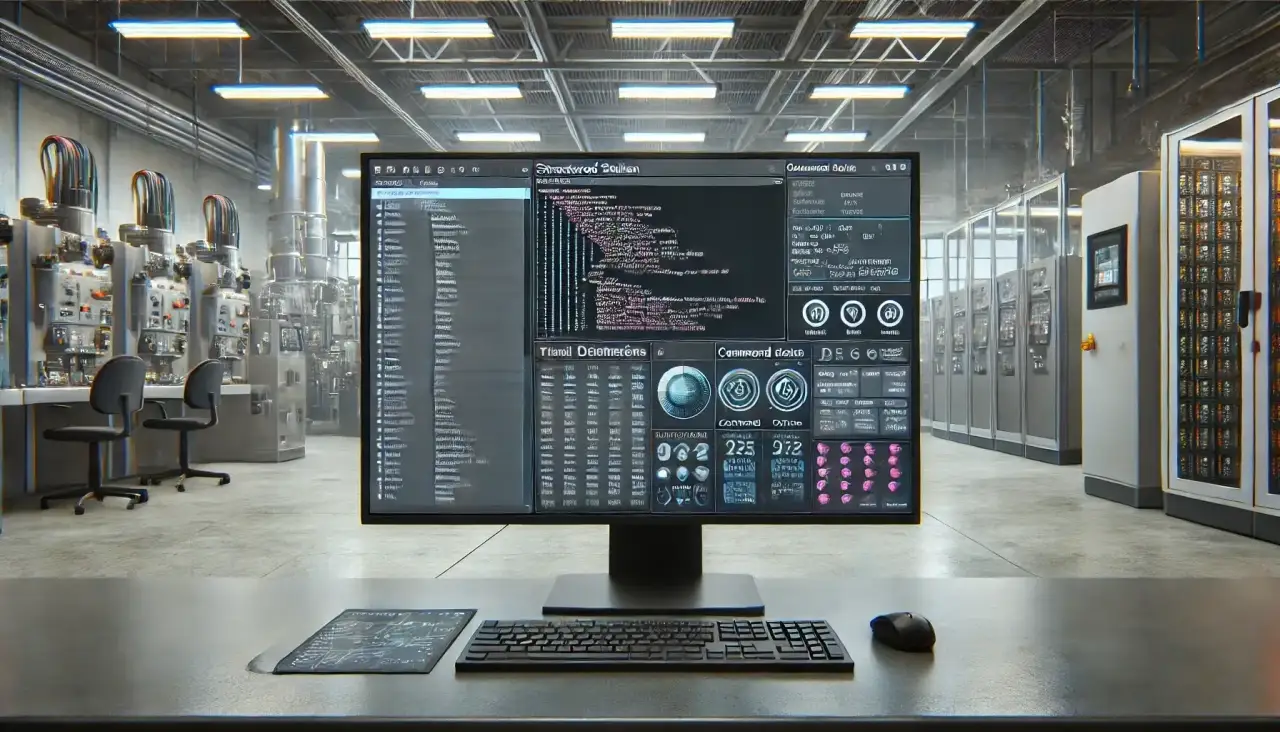
What you learn: the complete programme
2 phases, 6 modules of intensive training on YOUR code.
2 phases, 6 modules of intensive training on YOUR code.
PHASE 1: PLC Programming and Standards (Weeks 1-3)
- 1
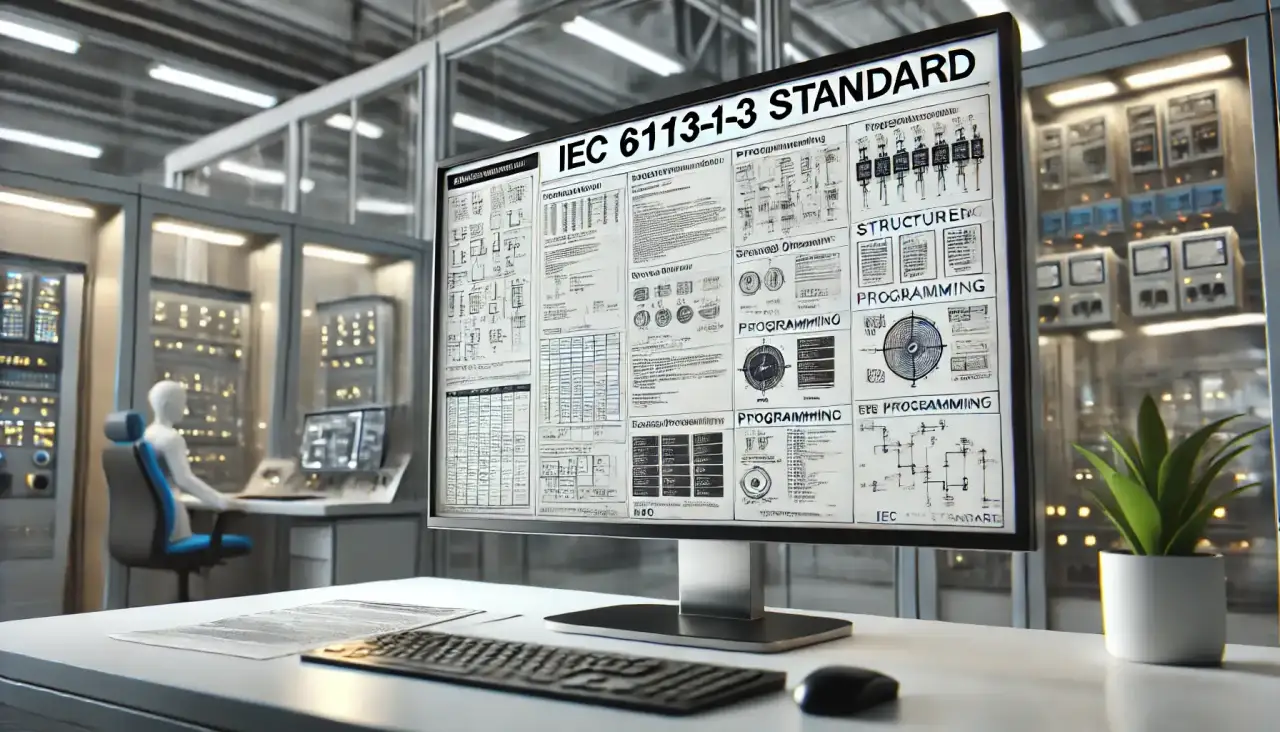
IEC 61131-3 Standard
The IEC 61131-3 standard is the foundation of all professional PLC programming. Without mastering it, every line of code is a risk that manifests once the machine is already in production. Here we build solid foundations starting from the languages you use and those you should know.
Programma
- Ladder LogicHow to write readable and maintainable contact logic for discrete automation
- Structured TextHow to use high-level programming for complex algorithms and precise calculations
- Function Block DiagramHow to build reusable modular blocks that simplify complex programs
- Sequential Function ChartHow to manage multi-phase sequences with clear transitions and explicit states
- Data types and structuresHow to use custom types and data structures to make code readable
- Project best practicesHow to apply naming conventions, documentation and versioning to PLC code
Risultato
Solid PLC programming foundations. You know the standard, write structured code and your programme is maintainable.
- 2
C# for Industrial Automation
The PLC alone is not enough. Modern companies need software that talks to machines. OPC UA has become the standard protocol, but few developers know how to integrate it correctly with .NET applications. C# is the right tool to build this bridge between the OT world and the IT world.
Programma
- OPC UA with .NETHow to read and write PLC variables from C# using the industrial standard protocol
- Specific PLC driversHow to communicate with Siemens S7, Beckhoff ADS and Modbus TCP devices reliably
- Polling vs subscriptionHow to choose the right communication strategy based on frequency and load
- Industrial error handlingHow to manage disconnections, timeouts and reconnection in continuous production environments
- Software architectureHow to structure the C# application for PLC communication with separated, testable layers
- Testing and simulationHow to develop and test software without continuous access to the physical PLC
Risultato
C# software that talks to machines. PLC-PC communication is reliable, structured and ready for production.
- 3
Modern HMI Interfaces
HMIs from the 2000s are static, slow and inaccessible from mobile devices. Factory operators deserve interfaces that actually work, not VGA screens with 1998-era fonts. With WPF and Blazor you build modern, responsive HMIs accessible from any device.
Programma
- WPF for desktop HMIsHow to build interfaces with vector graphics, animations and MVVM patterns for operators
- Blazor for web HMIsHow to make the interface accessible from tablets, browsers and remote workstations without installed clients
- Real-time dashboardsHow to build charts, gauges and live indicators that update from PLC data
- Design for industrial operatorsHow to design UIs usable in a factory, with gloves, in difficult conditions
- Alarm managementHow to display, filter and historise alarms with priority and acknowledgement
- Adaptive layoutsHow to manage multi-screen setups and different resolutions for different operator workstations
Risultato
Professional operator interfaces. Your HMIs are modern, usable and accessible from any device.
PHASE 2: Integration and Production (Weeks 4-6)
- 4
Industrial Data Collection
Production data is the most valuable resource in a modern factory. But only if you collect it, historise it and make it accessible in real time to those who need to make decisions. Here we build the data layer of your factory, from the machine to the management dashboard.
Programma
- Time series databaseHow to choose and configure InfluxDB or TimescaleDB for high-frequency industrial data
- Sampling and aggregationHow to collect production data at the right frequency without overloading the system
- Production KPIsHow to calculate OEE, availability, quality and performance in real time from machine data
- Reports and analyticsHow to build management dashboards that show the plant status at a glance
- Data retentionHow to manage long-term archiving balancing storage and query performance
- Alarm and event historyHow to build a structured log searchable for post-mortem analysis and audits
Risultato
Production data accessible and useful. KPIs are calculated in real time and management has visibility over the factory.
- 5
IT/OT Integration
The bridge between the factory and enterprise systems is where Industry 4.0 value is generated. ERP, cloud and IoT disconnected from the production line make any digital investment useless. Here we build that connection in a structured and resilient way.
Programma
- REST APIsHow to expose production data to external systems securely and with proper documentation
- ERP integrationHow to connect machine data to SAP, Dynamics or custom systems with reliable mappings
- Cloud connectivityHow to send industrial data to Azure IoT Hub or MQTT brokers with standard protocols
- Edge computingHow to process and filter data close to the machines before sending it to the cloud
- Message queueHow to use message queues to decouple factory and IT systems guaranteeing delivery
- Relational databaseHow to manage master data, plant configuration and historical data with structured SQL
Risultato
Factory connected to enterprise systems. Data flows from PLC to cloud without interruptions.
- 6
Safety and Industrial Best Practices
In automation, errors do not cause software bugs, they cause machine downtime, physical damage and risk to people. PLC code quality is not a choice, it is a safety requirement that regulations make mandatory. Here you learn how to build automation software that meets standards and passes audits.
Programma
- PLC anti-patternsHow to recognise and eliminate code patterns that cause unpredictable behaviour
- Safety PLCHow to design safety functions with the correct SIL level and CE certification
- Validation and testingHow to build a test strategy for automation software that goes onto real machines
- Version managementHow to implement backup, recovery and change management for PLC programmes in production
- Standards complianceHow to comply with Machinery Directive and ISO 13849 in control software design
- Technical documentationHow to produce documentation compliant with regulations for industrial plants
Risultato
Safe and reliable automation. The software complies with standards, is documented and risks are under control.
Who this programme is for
CTOs and automation managers
You need to integrate your PLCs with the IT world, dashboards, ERP, cloud, analytics. You are looking for a partner who knows both software and industrial automation.
Developer at the IT/OT intersection
You work with PLCs and want to take your skills to the next level with C#, .NET and modern interfaces. The bridge between factory and software is your opportunity.
Manufacturing company that wants to digitalise
You want real-time dashboards, production data collection and cloud connectivity for your machines. You need software that talks to PLCs, and that is exactly what we build.
Who is Matteo Migliore
What professionals who have followed the programme say
Investment and programme
Programmes are tailored to the number of participants, duration and project complexity.
Fill in the form to receive the complete programme and a personalised quote based on your specific needs.
Individual Programme
1 participant, personalised mentoring
- 6 complete modules
- Biweekly live 1-to-1 sessions
- Platform access for 12 months
- Continuous chat support
Team Programme
2-3 participants, department transformation
- 6 complete modules
- Work on real plants
- Company PLC-software integration
- Platform access for 12 months for all
Intensive Workshop
1-2 days on specific topics
- Focus on OPC UA, HMI or cloud IoT
- Up to 5 participants
- Complete training materials
- Follow-up session at 30 days
Ready to take industrial automation to the next level?
Fill in the form and receive all the information about the PLC + .NET programme. We analyse your scenario and the best path for you or your team.
Free analysis We assess your plants and IT/OT integration requirements
Talk to one of our tutors Not a salesperson, the architect who will guide you
Practical advice You receive useful guidance even if you decide not to continue